Blog
  • The Art of Layering: How to Style Blazers and Jackets for Every Season The Art of Layering: How to Style Blazers and Jackets for Every Season Jun 22, 2026
    Layering is the secret to creating versatile, season-spanning outfits that look effortlessly chic. And at the heart of any great layered look is a well-chosen blazer or jacket. From lightweight summer blazers to cozy winter coats, the right outerwear piece can transform a simple outfit into a fashion statement. In this guide, we explore how to master the art of layering with blazers and jackets for every season. Spring: Light Layers and Fresh Colors Spring calls for transition-friendly pieces that add polish without overheating. The casual tweed blazer is a springtime favorite. Its textured fabric adds visual interest to any outfit, while the structured silhouette creates a flattering shape. Pair a Quilted Black And White Blazer Womens with a simple white blouse and straight-leg jeans for a classic spring look that works for both casual brunches and office days. The lightweight blazer in soft pastels or neutrals is another spring essential. Layer it over a floral sundress or a simple midi dress to add structure and sophistication. The key is choosing unlined or partially lined blazers that breathe well in mild weather. Summer: Effortless Coverage Summer layering is all about lightweight fabrics and relaxed silhouettes. The summer blazer in linen or cotton is a warm-weather wardrobe hero. Unlike heavy winter counterparts, summer blazers are designed to be worn without feeling stuffy. Throw one over a slip dress for evening dinners, or pair it with tailored shorts and a tank top for a modern, fashion-forward look. The cropped jacket works beautifully in summer, especially when worn with high-waisted skirts or trousers. It adds a touch of structure while allowing maximum airflow. Denim jackets, in particular, are a summer staple that never goes out of style. Fall: Texture and Warmth Fall is the season where layering truly shines. The trench coat is a timeless fall essential. Its classic silhouette works with everything from jeans to dresses, and its water-resistant fabric makes it practical for unpredictable weather. Opt for a classic tan or experiment with bold colors for a modern twist. The blazer dress combines the sophistication of a blazer with the ease of a dress. Perfect for transitional weather, a blazer dress can be worn on its own with ankle boots or layered over a turtleneck for extra warmth. The tweed blazer returns in fall, this time in richer colors and heavier fabrics. Layer it over a cashmere sweater and leather trousers for a textural, sophisticated ensemble. Winter: Maximum Warmth, Maximum Style Winter layering is about combining functionality with fashion. The long coat is the foundation of any winter wardrobe. Whether you prefer a classic Work Wool Coats & Jackets, a puffer jacket, or a stylish parka, the key is choosing a length that complements your silhouette. Long coats look especially elegant when layered over tailored blazers and trousers. For casual days, a Casual Black Puffer Jackets offers warmth without sacrificing style. Pair it with skinny jeans and ankle boots for an effortless everyday look. When temperatures drop, Black Puffer Jacket Coats For Women provide maximum insulation while keeping you stylish. The sleek black finish pairs well with any winter outfit, from casual jeans to tailored trousers. For lounging or layering under a heavier coat, Womens Fleece Jackets And Coats are the perfect mid-layer choice. Soft, warm, and comfortable, they add an extra layer of coziness without bulk. The leather jacket adds an edge to winter outfits. Layer it over chunky knit sweaters or under a longer overcoat for a layered look that's both warm and stylish. Pro Layering Tips Play with texture. Mixing fabrics like tweed, leather, cotton, and wool creates visual depth even in monochromatic outfits. Watch the proportions. A cropped jacket pairs well with high-waisted bottoms, while a long coat looks best with fitted trousers or skinny jeans. Don't forget the accessories. A silk scarf, structured handbag, or statement belt can elevate a layered look from simple to stunning. Consider color. Neutral outerwear pieces in black, tan, navy, or gray provide maximum versatility, while a colorful blazer can become the focal point of your outfit. Conclusion Mastering the art of layering with blazers and jackets opens up endless outfit possibilities. By investing in quality pieces that work across seasons, you can build a wardrobe that is both practical and stylish. From summer blazers to winter coats, the right layering pieces will keep you looking polished all year long. Explore our collection of blazers and jackets to find your next layering essential.
  • How to Style Blazers for Every Occasion: Office, Weekend, Evening & Travel Jul 06, 2026
    A well-fitted blazer can work for a lot of different situations. It dresses up a casual outfit, looks appropriate in a boardroom, works for date night, and travels well too. The trick is adjusting how you style it — different fabrics, different fits, different ways of layering. Here's your complete guide to wearing blazers for every occasion. The Office Blazer: Polished and Professional In the workplace, a blazer signals authority and attention to detail. For a classic office look, opt for a tailored blazer in neutral tones — black, navy, charcoal, or beige. The key is a clean silhouette that skims the body without being too tight. Styling Tip: Pair a structured blazer with Trouser Pants For Ladies or a pencil skirt. Add a silk blouse or a simple cotton shirt underneath. For footwear, pointed-toe pumps or loafers complete the professional aesthetic. Pro Move: A matching blazer-and-Dress Pants For Women set creates an instant power suit. This is a staple for meetings, presentations, and client lunches. Weekend Casual: Effortlessly Cool Who says blazers are only for formal occasions? A relaxed-fit blazer is the ultimate weekend layering piece. Think unstructured cuts, soft fabrics like cotton or linen, and lighter colors — cream, pastel pink, or soft beige. Styling Tip: Throw an oversized blazer over a basic tee or one of our Casual Summer Tops For Ladies and your favorite jeans. Roll up the sleeves for an easy, undone look. Finish with sneakers or flat sandals. The contrast between the structured blazer and casual basics is what makes the outfit interesting. Pro Move: Try a tweed or textured blazer for added visual interest without trying too hard. Evening Elegance: Date Night and Dinner Parties When the sun sets, your blazer should get a glow-up. Evening blazers are all about luxurious fabrics — satin, silk, velvet, or crepe. Jewel tones like emerald, burgundy, and midnight blue create a sophisticated evening palette. Styling Tip: Wear a satin blazer over a matching camisole or a simple Black Dress For Women. The sheen of the fabric catches the light beautifully. Pair with heeled sandals or strappy stilettos. A clutch bag and statement earrings complete the look. Pro Move: For a modern take, try an unbuttoned blazer over a lace bodysuit with high-waisted trousers. It's bold, confident, and perfectly evening-appropriate. Travel-Ready: Comfort Meets Style Travel calls for pieces that are comfortable yet polished. A wrinkle-resistant blazer in stretch fabric or a knit-blend material is ideal for long flights or train rides. Styling Tip: Layer a soft blazer over a jersey top and leggings or comfortable wide-leg pants. Choose slip-on shoes for easy airport security. The blazer adds polish while the casual base keeps you comfortable. Pro Move: Pack a neutral blazer that works with everything in your travel capsule wardrobe. A single blazer can take you from the airport to a business meeting to dinner — just change your base layer and accessories. Seasonal Events: Weddings, Garden Parties, and Brunches Blazers are surprisingly appropriate for social events. For a summer wedding or garden party, choose a blazer in a light, breathable fabric with subtle details — pick stitching, contrasting buttons, or a soft pattern. Styling Tip: Wear a pastel or floral-print blazer over a midi dress. Cinch the waist with a thin belt to define your silhouette. Add wedges or block heels for outdoor events. Pro Move: A white blazer is the ultimate warm-weather event piece. Pair it with a floral dress for a fresh, romantic look that photographs beautifully. Getting the Most Out of Your Blazer A few things make a real difference when you're styling a blazer. Pick your fabric based on the season — wool and tweed work well in colder months, linen and cotton are better when it's warm, and satin or silk suit evening occasions. The fit should match the setting: go tailored for the office, relaxed for weekends, and something with a bit more luxury feel for nights out. Color sets the tone too — neutral shades keep things professional, bolder colors work for events, and lighter tones feel casual and easy. And accessories matter more than you'd think. A simple belt, a scarf, or a piece of statement jewelry can change the whole feel of a blazer outfit without much effort. A blazer that fits well and suits your lifestyle is worth keeping around. Whether you're walking into a meeting, catching a flight, or heading out for dinner, it's one of those pieces that makes getting dressed feel simpler — not more complicated.
  • How to Choose the Perfect Blazer for Your Body Type: A Complete Fit Guide Jul 09, 2026
    A well-fitted blazer is one of the most versatile pieces a woman can own — it elevates jeans, completes a suit, and transitions effortlessly from day to night. But the key to looking great in a blazer isn't just the color or fabric; it's the fit. The right blazer should flatter your unique shape, not fight it. Here's how to choose the perfect blazer for your body type. Understanding Blazer Silhouettes Before we dive into specific body types, it helps to know the three main blazer silhouettes: Tailored / Fitted Blazers — Follow the body's natural curves. Best for creating a polished, professional look. Oversized / Relaxed Blazers — Looser fit with a modern, effortless feel. Great for casual and layered outfits. Cropped Blazers — End at or above the natural waist. Pair well with high-waisted bottoms for a balanced silhouette. Our Tailored Slim Fit Blazer For Women — perfect for creating a polished silhouette Our Tailored Oversized Women Black Blazer — relaxed fit for casual elegance Choosing a Blazer for Your Body Type Hourglass Shape: Emphasize Your Waist If you have a balanced bust and hip with a defined waist, look for blazers that highlight your natural curves. What works best: A tailored or peplum blazer that cinches at the waist. Single-breasted styles with a subtle waist suppression create a sleek, feminine silhouette. Avoid boxy, shapeless cuts that hide your figure. Pro tip: A wrap-style blazer or one with a belt at the waist is especially flattering. Pair it with slim-fit Trouser Pants For Ladies for a complete look. Pear Shape: Balance Your Proportions If your hips are wider than your shoulders, the goal is to add visual width to your upper body. What works best: Blazers with shoulder pads, structured shoulders, or detailed lapels. A double-breasted blazer or one with chest pockets draws the eye upward. Opt for a length that hits at or just below the hip — too short can emphasize the hip width, while too long can overwhelm your frame. Pro tip: Light-colored blazers (white, cream, light gray) create contrast against darker bottoms, balancing the overall silhouette. Our Linen Straight Women Button Blazer — a light, structured option for balanced proportions Rectangle / Athletic Shape: Create Curves If your shoulders, waist, and hips are roughly the same width, choose blazers that add definition. What works best: Blazers with ruffled or notched lapels, patch pockets, or subtle waist shaping. A belted blazer or a peplum style can create the illusion of a curvier silhouette. Double-breasted styles also add visual interest and structure. Pro tip: Look for blazers with a bit of stretch in the fabric. Soft, drapey materials like cotton blends add subtle shape without being restrictive. Inverted Triangle: Soften Broad Shoulders If your shoulders are wider than your hips, opt for blazers that minimize the upper body and add volume below. What works best: Single-breasted blazers with minimal shoulder padding. Deep V-necklines elongate the torso. Darker colors on top work well, especially when paired with lighter or patterned bottoms. Pro tip: An open, unbuttoned blazer over a simple top creates vertical lines that slim the upper body. Pair with wide-leg or A-line bottoms for balance. Petite Frame: Keep Proportions in Check If you're 5'4" or under, the key is avoiding oversized cuts that swallow your frame. What works best: Cropped blazers that end at your natural waist. Shorter sleeve lengths and narrower lapels also help maintain proportion. Single-breasted styles with two buttons are more flattering than wide, double-breasted cuts. Pro tip: Stick to monochromatic looks — a blazer in the same color as your top and bottoms creates an uninterrupted vertical line that makes you appear taller. Plus Size: Embrace Structure and Shape The right blazer can be incredibly flattering on plus-size frames — it's all about the cut and construction. What works best: A well-structured blazer with a single button at the natural waist. Avoid stiff, boxy cuts; instead, look for blazers with a gentle waist suppression that skims the body without pulling. Longer lengths that cover the hip are generally more flattering. Pro tip: Viscose or cotton-blend blazers with a bit of drape provide comfort without sacrificing shape. A dark-colored blazer paired with matching trousers creates a sleek, elongated silhouette. Blazer Checklist: What to Look for When Trying On Shoulders: The seam should sit exactly at the edge of your shoulder, not hanging off or digging in. Chest: The blazer should close without pulling across the bust. If there's pulling, size up or look for a curvy fit. Waist: It should follow your natural waistline. If it gaps or tents, the fit is off. Sleeves: Ideally, sleeves end at your wrist bone, showing about ¼–½ inch of shirt cuff. Length: A classic blazer ends between the hip and upper thigh. Petite frames may prefer a shorter cut. Final Thoughts The perfect blazer doesn't just look good on the hanger — it makes you feel confident and comfortable in your own skin. Whether you prefer a tailored fit for the office or an oversized cut for weekend style, understanding your body type is the first step to finding a blazer you'll reach for again and again. Explore our collection of women blazers and jackets to find your perfect fit.
  • Summer Dresses for Women: From Casual Day Dresses to Evening Maxi Dresses Jul 21, 2026
    Summer is the season of dresses. Whether you're heading to the office, meeting friends for brunch, or dressing up for an evening event, the right summer dress keeps you cool, comfortable, and effortlessly stylish. From breezy cotton day dresses to elegant silk maxi dresses, here's your complete guide to summer dressing. Casual Day Dresses: Easy, Breezy, Beautiful When the temperature rises, your first instinct is to reach for something light and breathable. Casual Dresses For Women are the foundation of a warm-weather wardrobe. What to look for: Soft, natural fabrics like cotton, linen, and jersey. These materials allow your skin to breathe and wick moisture away, keeping you cool even on the hottest days. Loose silhouettes like A-line, shift, and shirt dresses offer maximum airflow and comfort. Style it with: A pair of flat sandals or white sneakers, a straw tote, and oversized sunglasses for a classic summer look that works for everything from grocery runs to casual lunches. The Sundress: Your Warm-Weather Essential Every woman needs at least one great sundress in her closet. Sundresses come in an endless variety of styles — from floral prints to solid colors, from spaghetti straps to puff sleeves. Best for: Weekend outings, farmers' markets, garden parties, and beach days. A well-chosen sundress transitions easily from day to early evening with a simple change of accessories. Style tip: Layer a denim jacket or lightweight cardigan over your sundress for air-conditioned spaces, then remove it when you step back into the sun. Midi Dresses: The Versatile In-Between Midi dresses hit somewhere between the knee and ankle, making them one of the most versatile lengths for summer. They offer more coverage than a mini while remaining cooler than a full-length maxi. Why it works: The midi length is universally flattering and appropriate for almost any setting. It works for the office, dinner dates, weddings, and travel. Choose a flowy silhouette for a romantic feel or a fitted knit midi for a sleek, modern look. Pro tip: A midi dress with a defined waist creates a flattering silhouette on almost every body type. Add a belt to cinch the waist and elevate the look instantly. Maxi Dresses: Effortless Elegance Maxi Dresses are the ultimate combination of comfort and style. Floor-length but lightweight, they make a statement without requiring much effort. Best for: Evening events, beach vacations, outdoor dinners, and days when you want to feel put-together with minimal effort. A floral maxi dress is perfect for summer weddings and garden parties, while a solid-colored maxi in satin or silk works beautifully for date nights. Style tip: Heeled sandals or wedges elongate the silhouette and add polish. Browse our Maxi Dresses For Women for inspiration. For a boho vibe, layer delicate gold jewelry and carry a woven bag. Evening and Party Dresses: Dressing Up for Summer Nights Summer evenings call for outfits that shine. Whether you're heading to a rooftop party, a summer wedding, or a night out with friends, the right dress sets the tone. What to look for: Richer fabrics like satin, silk, and lace. Deeper colors like emerald, burgundy, and midnight blue, or metallics for a festive feel. A Light Blue Evening Dresses For Women is a beautiful choice for warm-weather events — fresh, elegant, and effortlessly feminine. Style it with: Strappy heels, a clutch bag, and statement earrings. Keep accessories minimal and let the dress do the talking. Choosing the Right Dress for Your Body Type Body TypeBest Styles HourglassWrap dresses and fit-and-flare styles emphasize your waist Pear ShapeA-line and empire waist dresses balance proportions RectangleBodycon and belted dresses create curves PetiteMini and above-the-knee midi dresses elongate your frame Plus SizeStructured midi and maxi dresses with a defined waist Summer Dress Fabric Guide FabricBest ForWhy CottonDay dressesBreathable, casual, easy to care for LinenRelaxed looksLightweight and airy, wrinkles naturally Satin / SilkEvening dressesLuxurious drape and beautiful sheen Rayon / ViscoseBoth casual & dressySoft, flowy, silky feel ChiffonSpecial occasionsSheer, lightweight, often layered Quick Summer Dress Checklist ✅ Light colors reflect heat — white, cream, pastels keep you cooler ✅ Natural fibers breathe better than synthetics ✅ Look for built-in lining — more comfortable, less see-through ✅ Match the dress to the occasion — brunch vs. business vs. evening ✅ A belt can transform a loose dress into a flattering silhouette From casual cotton sundresses to elegant maxi dresses, your summer wardrobe should be as versatile as your lifestyle. Invest in a few quality pieces that mix and match easily, and you'll be ready for anything the season brings. Explore our full collection of women's summer dresses to find your perfect warm-weather look.
  • Women's Trousers Guide 2026: How to Choose and Style Pants for Autumn & Winter Sep 17, 2026
    A good pair of trousers does more work than anything else in a woman's wardrobe. Blazers get noticed. Dresses get compliments. Trousers are what actually get worn, week after week, from the first cold morning in September to the last one in February. They go under a long coat. They tuck into boots. They get through an office day and a school run without anyone thinking about them, which is the point. So this is a working guide for buyers: the cuts worth stocking, how to work out what fits, which fabrics hold up once the weather turns, and the construction details that decide whether a pair sells again next season. Section 01 Why trousers are the backbone of autumn dressing Once the temperature drops, hemlines go up and the layers come out. Trousers solve the problem every autumn brings: staying warm without looking like you stopped trying. A skirt needs the right boots and the right tights before it works. Trousers just need to fit. You can also wear the same pair twice in a week without anyone noticing, which is not true of a dress. That is why two or three good pairs beat five impulse buys. For a buyer this is the whole problem in one line: the cuts you stock have to suit a range of shapes, and the weights have to suit the calendar. Section 02 Five trouser silhouettes to know this season Wide-leg trousers Wide legs are still the silhouette of the season. They skim the hip and fall straight from the thigh, so the line runs unbroken from waist to hem, and they cover the parts of a winter outfit that need covering: thick socks, thermal layers, the tights that never quite match. Look for a high waist in a wool blend or a heavy cotton twill, then keep the top fitted. If the volume sits in the trousers, it should not also sit in the knit. One caution from the buying side: a market that has lived in skinny jeans for five years will not switch in a single season. Put one wide leg into the range next to what already sells, and see what happens before you replace the wall. Tailored straight and slim-fit trousers This is the pair you reach for when you need to look like you mean business. A high-waisted Slim Fit Work Trousers with a clean centre crease carries an office day, and it takes a knit and loafers on the weekend without complaint. Two things matter more than the label: the cut should skim rather than cling, and the waistband should hold itself up without a belt. If someone needs a belt to keep the waist in place, the pattern is wrong, not the person wearing it. Our Slim Fit Work Trousers — high waist, clean crease, office ready Cargo and utility pants Cargo has moved out of the outdoors and into everyday wear. Black Cargo Pants, or khaki and tan if you prefer, add an easy edge to a plain outfit. Keep the rest simple, a tucked-in top and a structured coat, and the extra pockets read as deliberate rather than accidental. Cargo is also the silhouette that punishes over-design. Buckles, straps and six pockets at once look like a costume. Two pockets and a clean leg are enough. Our Black Cargo Pants — a loose utility shape that still hangs clean High-waisted slacks and tailored pants Slacks cut like suiting do the most for your proportions: high waist, straight leg, one clean line from waist to floor. A pair of Straight Pants For Women sits under a blazer without any argument, because both pieces were cut by the same logic. They are also the pair that gets through a season without a markdown, which is more than most trends can say. Our Straight Pants For Women — a straight tailored line for suiting looks Knit and lounge trousers Some days nothing structured will do. Wide Leg Lounge Pants and knit trousers in ponte or a soft rib give you comfort that still looks finished. They are also the pair that travels best: a long flight, then a client meeting, with no change of clothes in between. Our Wide Leg Lounge Pants — loose, easy, comfortable all season Section 03 Finding the right fit Start with your shape, then pick the cut. Most fitting complaints come down to the wrong rise sitting on the wrong hip, and no amount of styling fixes a rise that is two centimetres out. An hourglass figure does best in a mid to high rise with a defined waistband and a straight leg; keep the top fitted or tucked so the waist stays visible. Pear shapes should take the volume downwards, not upwards: a dark, structured straight or wide leg with little detail at the hip, finished with a jacket long enough to end below it. A rectangle can use volume as a tool, so a wide leg or a pleated front with a belt at the waist gives the shape something to follow. Inverted triangles should go the other way and keep cargo pockets off the hip, since a straight or slightly flared leg under a soft, draped top evens out the shoulders. Petite frames want a high rise and either a cropped ankle or a clean break at the hem, and one colour from the top down does more for height than any heel. Plus sizes are served best by a high rise with a little stretch, a wide leg and a flat-front waistband, with a structured blazer or a long cardigan over the top to finish the line. None of this is a rule, and two women with the same measurements will often prefer different cuts. It is a starting point for a fitting room, not a label to hand someone on the shop floor. Section 04 Autumn and winter fabric guide Fabric decides how a pair behaves. Two trousers can look identical on the hanger and completely different after a week of wear. A wool blend at roughly 260 to 320 gsm holds a crease through a winter; drop below that and it belongs to early autumn only. That is the cloth behind tailored slacks and wide legs, because it keeps its shape where cheaper fabric sags. Cotton twill is the workhorse underneath cargo and utility styles. It dyes well, washes without fuss and holds a structured line, though it creases and will not drape the way wool does. Corduroy brings texture to high-waisted slacks and casual dressing, and it photographs better than plain cotton, which matters more every year. Ponte and ribbed knits belong to lounge and travel trousers: enough stretch to sit through a long flight, still tidy enough for a meeting on the other side. Velvet is the exception in the range. It exists for evening and party trousers and should stay a small part of the buy, because it is the hardest to sell twice. Gabardine, tightly woven and hardwearing, is what most work and office trousers are cut from. It resists creasing and drapes sharply, which is why it has held the office trouser market for decades without much competition. Section 05 Three autumn outfits built on trousers Office. Tailored slacks, a tucked-in blouse, a structured blazer, leather loafers. Stay inside one colour family, camel or cream or bone, and the outfit looks considered rather than fussy. Weekend. Black cargo pants, a ribbed knit, a cropped jacket, clean sneakers, a crossbody bag. This is the one that gets repeated most, usually on a Sunday. Evening. Wide-leg trousers in velvet or a wool blend, a satin blouse, heeled boots. Put a long coat over the top and it holds up from dinner until late. Notice that none of them depend on a particular pair of shoes. That is usually what makes an outfit repeatable, and repeat business is the only kind that matters to a range. Section 06 What to check before you buy Waistband. If it is not fused or lined, it will lose its shape and start to gap at the back. Check this first on any pair. Seams and hems. Single-stitch hems and a reinforced crotch seam separate a pair that lasts one season from a pair that lasts three. Fabric weight. Autumn trousers need enough body to hang straight. If the fabric clings or shows every line underneath, it is too thin. Stretch. A little elastane helps, somewhere between 2 and 5 percent. Much more than that and the knees are bagging by the end of the day. Colour fastness. Black, navy and burgundy get worn the most, so they fade first. Test before you commit to a big order. Size range. For buyers, a consistent grade from size 6 to 20 matters more than any single detail on this list. Before a large order, ask for a swatch, wash it once, and look at the seam allowance at the crotch. Most returns start somewhere in those three steps. Final thoughts Trousers are the quiet purchase in an autumn wardrobe. Nobody notices them the way they notice a new coat, but get the cut and the weight right and the rest of the outfit is easier to put together in the morning. Pick two or three cuts you like and stop there. That is enough to get from September to February without standing in front of the wardrobe at eight in the morning, wondering what to wear. If you are deciding what to stock rather than what to wear, start with the pair your customers already buy, then add one new silhouette beside it. Ranges built that way tend to survive the season. Explore our full range of Trousers For Women to find the cuts that suit your line and your customers. VIEW TROUSERS FOR WOMEN
  • Women's Coats Guide 2026: How to Choose and Style Outerwear for Autumn & Winter Sep 21, 2026
    A coat is the most expensive single item a woman buys in a season, and the only one everybody sees. It covers everything underneath, so it decides whether the knit, the trousers and the boots read as considered or accidental. That makes outerwear the most demanding line in an autumn range. A dress can sell on a print. A coat has to sell on cut, weight and proportion, and in most markets it has to do it inside the first six weeks, before the markdowns start. So this is a working guide for buyers: the silhouettes worth stocking, how much room to leave for knitwear underneath, the wool and down numbers that separate a real winter coat from a spring coat with a heavy label, and the checks worth doing before a bulk order. 01  Season Why the coat carries the whole season From the first cold morning in October to the last one in March, the coat is the only garment worn most days, and everything else rotates around it. One good coat earns more per wear than four cheap ones, and customers who are happy with a coat come back for the pieces that go under it. The buying side of that is less romantic. Coats are the first category to be discounted in January, so full-price sell-through in the opening weeks matters more than total units. A shape that takes three weeks to find its customer usually ends up on a rail at forty percent off. The useful rule is to stock in threes: one soft silhouette, one structured silhouette, one weather piece. Anything past that should earn its place with texture or colour, not with another version of what is already on the wall. 02  Silhouettes Five coat silhouettes worth stocking Wool wrap coats The belted wool wrap coat is the softest shape in the range and the easiest to sell across body types. It ties at the waist instead of buttoning, so there is no zip to fail and no placket to gape, and it works over a dress on a workday and over denim at the weekend. Two details decide whether it looks expensive: the weight of the cloth, and whether the belt is anchored at the back. A wrap coat with a flimsy belt that disappears in the fitting room comes back as a return. On a fuller figure, an unstructured wrap can read as a robe, so check the shoulder line before you commit the pattern. Longline tailored coats A single-breasted longline coat with a notch lapel, cut somewhere between the knee and the mid calf, is the most repeatable piece in a winter range. It sits over a blazer without a fight and over a thin knit without swallowing it, and it is the shape customers keep for four or five seasons. Keep the details quiet. One visible button row, a straight shoulder and a clean back vent will outsell a coat with storm flaps, epaulettes and a belt. The exception is a cinched waist, which is worth having for the market that wants a defined shape. Quilted puffers and down coats This is the volume category: a short quilted puffer for city wear, a long padded coat for markets with a real winter. Most ranges need both, and the long one usually carries the coldest month on its own. Fill quality shows from a distance. A cheap puffer has a flat, shiny shell and fill that clumps into one corner after a wash; a good one has a matte ripstop outer, evenly distributed baffles and a hood that holds its shape. Our Black Puffer Jacket Coats For Women sit in that second group. In knitwear-heavy markets the puffer is often the second coat rather than the first, so keep one short shape priced as an entry piece and let a long padded shape carry the margin. Trench and transitional coats The trench covers the two awkward months at each end of winter. A water-repellent cotton with a belted waist, worn open over a knit, handles October and most of March in southern Europe and the UK. What matters is the finish, not the look. A customer wears a trench on the wet days and hangs it up dripping, so test the water-repellent treatment on a swatch before you commit to a colour you cannot sell in any other shape. Teddy, shearling and faux fur Texture is what sells the second coat to a customer who already owns a practical one. Teddy and faux fur are the impulse shapes and they photograph better than anything else in the range; they are also the hardest to repeat next season, so treat them as a small part of the buy. Shorter jacket versions have taken much of this volume, and in warmer markets they outperform the full-length coat. Shedding is the complaint that kills the category, so brush a swatch hard against a dark cloth and see what comes off. 03  Fit Getting the fit right over a knit A coat is the one garment that has to fit over something else, and that is where most sizing complaints start. A customer layering a chunky sweater underneath needs roughly four to six centimetres of ease across the chest and two to three in the sleeve. Set-in sleeves restrict layering, while raglan sleeves give more room and are easier to grade. The shoulder seam should land at the edge of the shoulder and never past it, because a dropped shoulder on a padded coat reads as borrowed. Length is the fastest way to change a silhouette. Mid calf lengthens a petite frame; a cropped puffer breaks the line above a fuller hip and can make a plus size figure look shorter than she is, which is why a long, flat-front shape usually sells better in the extended sizes. Our Plus Size Long Coats For Women sit exactly there: long enough to hold a vertical line, cut flat through the front. In the extended range, grade the sleeve length and the back length properly instead of only adding width at the waist. A coat that is wider but not longer fits nobody. 04  Materials Wool, down and the numbers that matter A wool coat built for real winter sits between 500 and 700 gsm. Under 400 gsm you are selling a spring coat, whatever the label says, and it will sag at the shoulders by January. Read the wool percentage next. Sixty to eighty percent wool blended with polyamide, plus a little cashmere for handle, is the standard that holds its shape and resists pilling into a second season. A hundred percent wool sounds better on a hang tag and is often harder to wear, because it creases and takes days to dry. Down is graded by fill power, not by the name of the collection. Five hundred fifty to seven hundred fill power covers most winter markets, while anything above eight hundred is expedition grade and almost impossible to sell at volume. Ask for the fill weight in grams per size as well as the fill power, because a light fill in a well-built baffle can outperform a heavy fill in a bad one. The long padded shape we build as our Winter Puffer Coats Women is designed on exactly that principle. The lining decides how a coat feels in the shop, which is when the decision is made. Satin or a smooth polyester lining slides over knitwear, while a bonded lining grips the sleeve of the sweater underneath and makes the coat feel small. Last, decide what the coat is for. Water repellent is enough for city wear, but a market with heavy snow needs a shell with taped seams, and that should be priced as a different product rather than sold as the same one. 05  Colour plan Colour and the buying calendar Camel, black, grey and navy carry the winter season and always will. Camel outsells everything in the first weeks and is the first colour to look tired in a photograph, while black is the highest volume and the easiest to repeat. Accent colours such as burgundy, forest green and a deep chocolate sell in smaller numbers at higher margins. Give them one silhouette each rather than a full size range, and you will not be left holding them in February. The calendar is unforgiving. Coats are ordered in late spring, land in August and September and sell through to the end of January. A reorder decision in November is your last chance to catch the sell-through, and it is also the point where most buyers over-order on the colour that looked best on the stand. 06  Checklist What to check before you place the order Buttons. Pull each one and check that a spare is attached inside the lining. Zips. Run a two-way zip up and down twenty times. If it catches on the tenth, it will fail on the customer. Shoulder and canvas. On a tailored coat, feel for the pad and the canvas front. A coat built on fusible only will go flat after one season. Seams and lining. The armhole and the centre back vent are where coats split, so ask for the seam allowance on both. Weight. Weigh a sample against the spec sheet. A coat that arrives light was cut from thinner cloth than the one you approved. Pilling and shedding. Wash a wool swatch once and rub it, then check faux fur against a dark cloth. Colour fastness. Black, camel and burgundy are worn the most and fade first, so test before you commit to a big order. Size grade. Back length and sleeve length across the range matter more than any single measurement on the base size. If a supplier cannot answer those before the deposit, the price is not the saving it looks like. Final thoughts Outerwear is the one category where a buyer has almost no margin for a wrong call, because the season is short and the investment per unit is high. Stock one soft shape, one structured shape and one weather piece. Add texture for the second-coat customer, keep the accent colours small, and check the weight and the size grade before the deposit rather than after the delivery. Explore our full range of Women's Winter Coats & Jackets to find the silhouettes that suit your market and your price band. VIEW WOMEN'S WINTER COATS & JACKETS
  • Women's Knitwear Guide 2026: How to Choose Sweaters, Cardigans and Knit Dresses for Autumn & Winter Sep 29, 2026
    A knit is usually the first thing a woman reaches for in October and the last thing she stops wearing in March. It goes under the coat on the cold days, comes off in a warm office, and gets worn twice a week when everything else gets worn twice a season. It is also the category that comes back. A jumper that grows three centimetres in the sleeve after two washes. A cardigan that pills under the arm inside a week. A knit dress that loses its shape because the yarn was too soft for the length. None of that shows in a sample room photo, and all of it shows up in what customers write afterwards. What follows is written for buyers rather than shoppers: which fibres hold their price, how gauge changes what you can charge, the shapes worth stocking for autumn and winter 2026, where the sizing usually goes wrong, and the tests worth running before you pay a deposit. 01  Season Why knitwear carries the autumn before outerwear does Knitwear lands in August and sells until February. It covers the fortnight when a shirt is not enough and a coat is too much, and it keeps selling in January, after the outerwear has already been marked down. A knit is bought with the hand. In a shop, customers touch it before they check the price. Online, they read the fibre line first, which is why it belongs near the top of the product page rather than in a specifications tab. One stock rule works more often than it fails: buy in threes. One fine knit that can be worn under something, one heavy knit that makes a statement, and one knit dress that stands on its own. Past that, a new style has to bring its own stitch or its own colour. Another crewneck in last year's yarn will sit on the rail. 02  Fibres Wool, cashmere, viscose and what the blend actually buys you Merino is the backbone of the category. For a sweater worn next to the skin, 19.5 micron or finer is the line to specify. In the volume price bands, wool blended with acrylic or with polyamide at roughly seventy thirty is the compromise most factories will quote: it holds shape, costs less, and feels a little drier against the skin than pure wool. Cashmere is where the label gets misleading. Ply matters more than the percentage printed on the tag. A two-ply yarn at thirty percent cashmere keeps its handle and survives a season. A one-ply hundred percent cashmere feels wonderful in the hand and pills within a fortnight, which is how a premium price turns into a premium return rate. If the price looks too good, ask for the ply and the price per kilo of the yarn before anything else. Viscose and cotton blends do two jobs: the markets where wool is rarely worn, and the spring-weight knit that sits in the same range as the heavy pieces. Acrylic still owns the entry price. It pills, it can feel synthetic, and it also washes without felting, which is the reason it survives in volume. Two additions are worth arguing for. Polyamide at five to ten percent buys abrasion resistance and better recovery. Elastane at two to five percent in the cuff and hem keeps the rib from hanging by the first month. And when you ask for a quote, ask for the yarn count and the micron as well as the composition. A quote that gives you percentages only is not a quote you can compare with anyone else's. 03  Shapes Six knits worth stocking A fine-gauge crewneck is the layering piece, thin enough to sit under a blazer, in a smooth yarn that does not fight the outer layer. This is where the volume is, and the shape that gets repeated in four or five colours. The half-zip and quarter-zip reads modern without trying. A metal zip with a proper pull raises the perceived price more than any print or trim. Oversized and dropped shoulder is the easiest sell in a chunky gauge and the hardest to grade, because an oversized body on the smallest size looks borrowed. Keep the shoulder drop consistent across the range. A ribbed turtleneck is the winter workhorse, and it is where a cheap formal Rib Knit Tops for women shows its age first, because the neck has to hold its shape after wear. Specify a firm rib and check the recovery. The button-through cardigan is the most useful piece in the range: closed, it is a top; open, it is a light layer. Check that the button band does not wave and that the buttons are anchored through a facing rather than through the knit alone. Knit dresses and co-ords are among the strongest categories for this season. Our Sweater Dresses For Women sell at three or four times the price of a sweater in the same yarn, so the yarn and the gauge have to justify it and the body has to hold its length. A long knit dress, worn with a belt or under a coat, serves the same customer who buys a midi dress in summer. One warning on the chunky gauge: it photographs better than it sells. In cold markets it earns its place. In mild ones it sits until the sale. 04  Construction Gauge, ply and the stitches that hold the price Gauge decides what the knit is for. Twelve gauge is fine enough to layer, seven gauge is the mid-weight most ranges are built on, three gauge is the statement piece. Two knits in the same yarn at different gauges are two products at two prices, and the customer can feel the difference. Fully-fashioned panels are knitted to shape, so nothing bunches at the armhole and nothing bulges under a coat. Cut-and-sew is cheaper and perfectly acceptable on a chunky yarn or a loose shape, where the seam disappears into the stitch. Where cheap knitwear gives itself away is the ribs. A firm two by two rib at cuff, neck and hem springs back; a thin one by one rib looks fine in the sample room and gives up in a month. Yarn consumption per garment is the number that really drives your cost. Ask for grams per piece at each size. When one quote comes in far below the others, that is usually where the difference was found. 05  Fit Vertical growth, grading and the extended range Knitwear grows downwards, and that is the first thing to brace for. A soft yarn relaxes with wear and washing, and two to four centimetres on the body length over a season is normal. That is enough to change how every layer worn with it sits. A denser gauge, a firmer yarn or a small polyamide content is what holds the line. Two small specifications save a lot of argument later. Measure the sleeve from the centre back rather than from the shoulder seam, so the number survives the first wash. Then ask the factory to wash a piece three times at the care label temperature and measure the cuff and hem ribs afterwards. If the rib has not recovered there, it will not recover on the customer either. Sizing is where the extended range usually goes wrong. Body width and armhole depth cannot grade at the same rate, or the sleeve pulls across the chest and the shoulder seam sits too far in. Grade the sleeve length as well. A size that is wider but not longer fits nobody. 06  Colour The palette that sells through January Oatmeal, camel, grey marl and navy carry the season and probably always will. Chocolate and forest green have moved from accents to core in most markets. Burgundy still sells one shape well and a full range badly, so give it one style and stop there. Marl and melange yarns hide pilling better than flat colours, which matters most in the price bands where pilling is the complaint you actually get. Brushed, boucle and chenille photograph beautifully and are the hardest yarns to repeat next season, so keep them to a style or two rather than a collection. 07  Checklist What to check before you pay the deposit Pilling. A Martindale test at two thousand revolutions on the finished knit, not on the yarn alone. Wash test. Three washes at the care label temperature, with the body length and the sleeve measured before and after. Recovery. Stretch the cuff rib fifty percent for a count of ten, release, and see what comes back. Colour fastness. Rub and wash tests, especially on navy, chocolate and burgundy. Yarn lot. One dye lot per colour per order, and a straight answer on how a January top-up reorder is handled. Weight. Weigh three pieces of the same size against the specification sheet. Neckline and ribs. The link at the neckline, the button band on the cardigan, the rib tension at the cuffs. Labels. Fibre content, origin and care symbols that match the tests you have just run. If a supplier cannot answer those before the deposit, the price is not the saving it looks like. Final thoughts Knitwear keeps an autumn range selling through the winter, and it is the category where a wrong yarn decision gets paid for twice: once in the return, and once in the reorder you can no longer place. Stock one fine layering knit, one chunky knit and one knit dress, keep the palette tight, and test the yarn before the bulk order rather than after it. Browse our Long Dresses For Women and knitwear to find the pieces that suit your market and your price band. VIEW WOMEN'S KNIT DRESSES
  • Women's Blouses & Tops Guide 2027: How to Choose Shirts and Blouses for Spring/Summer Oct 14, 2026
    A blouse is the cheapest piece in a spring range and the one that gets worn most. It goes under a blazer in March, on its own in June, and into a suitcase in August. It is also the first thing a customer picks up and the first thing she puts back down, because a shirt tells her what it is the moment she holds it against the light. Blouses are where the returns come from. A white shirt that goes see-through under office lighting. A placket that gapes across the chest. A cuff that frays after three washes because the buttonhole was cut too close to the edge. None of that shows in a flat lay, and all of it shows up in the review section. What follows is written for buyers planning spring/summer 2027: which shapes to stock and how many of each, the fabrics and weights that decide the price band, the fit points to lock before the pattern is approved, and the tests worth running before you pay the deposit. 01  Timing Why spring is decided in October Spring/summer 2027 is being bought now. Selection runs from October through December, production sits in January and February, and the first deliveries land in February and March for the northern spring. A buyer who approves the sample in January is not buying spring any more; they are buying a markdown. The good news is that a blouse is the cheapest way to test something new in a range. The unit cost is low, there is no complex grading, and a reorder can be placed in season without a full production slot. A new print, a new collar shape, a new colour: a shirt is where you find out whether it works. Four styles carry most spring ranges, and they are the four we keep in our Simple Women'S Summer Tops And Blouses: one white cotton poplin shirt at volume, one relaxed oversized shirt that doubles as a light layer, one occasion blouse in satin or chiffon, and one easy top for the weeks when the temperature has nothing to do with the calendar. Anything past that should bring its own print, collar or sleeve. 02  Shapes Six blouses worth stocking The classic poplin shirt This is the volume piece and the one that has to be right, because customers buy it in twos and notice everything. The collar carries the shirt: a collar that stands without help and keeps its point after washing is the difference between a shirt that looks like it cost 60 and one that looks like it cost 20. Our Cotton Tops For Women are built on exactly that assumption, with a straight placket and a firm cuff. The oversized shirt Worn open over a cami or a knit top, this is the piece that takes the place of a light jacket in warm markets and covers the office-to-evening gap. It is also the easiest to grade, as long as the shoulder drop stays consistent across the size range. Add a chest pocket and a longer back hem and it will sell in four colourways. Puff and balloon sleeve blouses This is the shape that sells on impulse and photographs best. The volume sits at the sleeve head, so the gathering has to be even and the shoulder has to hold it. Cheap versions collapse after one wash and make the whole range look tired. Give it one or two styles and a print that supports it. The satin blouse The evening piece. A well-built satin shirt hangs on its own and works with tailoring or denim; a bad one catches every light in the room. Ask what the cloth is before anything else, and check the care label against what the customer will actually do with it. Our Satin Shirts For Women sit at that end of the range, cut long enough to wear out and simple enough to wear to work. The linen shirt In southern Europe, the Middle East and most of Asia, this is the workhorse of the summer range, worn open, worn loose, worn over a swimsuit. It creases. That is part of the product. Blend the linen lightly with viscose and it creases less and drapes more. The smocked and knot-front top The holiday piece, and the one that carries colour and print. Soft, gathered, easy to pack, easy to sell at a good margin. Watch the elastic recovery on smocking and the length of the ties, because both are what a customer notices first. 03  Fabric Cotton, viscose and the weights that decide the price Poplin is the backbone. For a shirt with a collar that holds and a cuff that does not collapse, stay between 110 and 130 gsm. Under 100 gsm the cloth is thin enough that the collar feels like paper and the white starts to show what is underneath. Below poplin in weight sit lawn and voile, at 70 to 90 gsm. Both are beautiful and both are sheer, which is a decision rather than a fault. If you go that route, plan for a second layer at the front or a lining, and say so in the product copy, because a customer who expected opacity will return it. Viscose and lyocell give the drape that sells a blouse in the fitting room, but they move in the wash. Ask for the shrinkage figure after three washes at the care label temperature, not the figure on the mill's sheet. Satin is where the price band is decided. Polyester satin can look good in a photograph and feel like a costume in the hand. If the price point needs silk, ask for the weight in momme. If it is polyester, ask about the finish and the weight in gsm, and compare it against a named competitor's cloth rather than against a description. Chiffon and georgette sit at the other end, light, transparent and always layered. They sell as part of a set, so price the inner piece into the cost sheet rather than treating it as an accessory. Linen runs heavier, around 150 to 190 gsm, and blends at roughly 55 percent linen and 45 percent viscose keep the look while cutting the creasing. Add two to five percent elastane only where the shirt is fitted; on a relaxed shape it adds cost and does nothing. 04  Fit The fit points that cause returns The placket is the first place a blouse fails. A shirt that gaps across the bust is a return, not a fitting-room joke, and it costs you the sale plus the shipping. Give a few centimetres of ease across the bust, check the spacing of the buttons at the fullest point, and consider a hidden button where the shape is fitted. The shoulder and the yoke decide whether the shirt looks expensive. The shoulder seam should sit at the edge of the shoulder, and on a dropped shoulder the sleeve has to be longer by the amount the seam has moved, or the cuff will sit above the wrist. The cuff opening is the detail buyers forget. A woman's cuff has to clear a watch and a bracelet. Measure the finished opening, not the pattern, and remember that a double cuff needs more room than a single one. Grading is where an extended range is won or lost. Bust and armhole cannot grade at the same rate, so grade them separately, and grade the sleeve length as well. A shirt that is wider but not longer fits nobody. For a fuller bust, a side dart and a proper full-bust adjustment will do more than adding width at the waist. 05  Colour Colour and print for spring/summer 2027 Solids first, and mostly white. White and ivory are the two highest-volume colours in every spring range, followed by sky blue, stone and sand. Black still sells through the summer in cities, and pale pink and butter yellow carry the softer end of the market. Most of our White Tops For Women sit in that first group for exactly that reason. Two prints are enough for most ranges: one floral and one stripe or geometric. Digital printing lets you test a print on a small run and repeat it later; rotary printing is what you move to when the volume justifies the setup. Either way, check the repeat size and the placement on the centre front, because a stripe that runs out of line at the placket is the first thing a customer sees in a mirror. Colour fastness matters most on ivory, sky blue and anything printed. Ask for a rub test and a wash test on the finished garment, not on the swatch, and keep one approved reference piece per colour for the season. 06  Construction Where a cheap blouse gives itself away The collar and the cuffs are the two places where interlining quality shows. A collar that bubbles or curls after two washes is the most common complaint on a shirt, and it comes down to the fusible and how it is applied. Ask which interlining, at what temperature and how it is pressed, and wash a sample before you approve. Then look at the seams. A French seam on a sheer or light cloth is a mark of quality and costs very little; overlocking on a transparent fabric is not acceptable at any price. Stitch density tells you how long the shirt will last: around ten to twelve stitches per inch on the main seams, slightly more on the collar and the cuff. Buttons should be anchored through a thread shank rather than flat against the cloth, and every shirt should ship with a spare. Buttonhole spacing should be tighter where the shirt is fitted and wider across the back. Finally, the care label has to match the testing you have done, or the washing instructions become the source of the complaint rather than the solution. 07  Checklist What to check before you pay the deposit Shrinkage. Wash three times at the care label temperature and measure the body and the collar, not just the length. Opacity. Hold the white against a light with a hand behind it, and check the armhole and the sleeve head, not only the front. Placket. Button the shirt on a bust form sized to the largest size you are selling and look for gaping across the chest. Collar and cuff. Wash and press them, then check for bubbling, curling and colour loss at the fold. Buttons. Pull each one, check the shank and the spare, and count the buttonholes against the spec. Colour fastness. Rub and wash ivory, sky blue and every print, and check against the approved reference piece. Print. Check the repeat and the placement at the centre front, the sleeve and the pocket. Seams. Cut one piece open and look at the seam allowance and the finish on the armhole and the side seam. If a supplier cannot answer those before the deposit, the price is not the saving it looks like. Final thoughts A blouse is the cheapest piece in a spring range and the one customers judge the whole range by. Get the collar, the placket and the weight of the cloth right, test the white before you commit to it, and the other categories will look more considered than they cost. Stock four shapes, keep the solids tight, and put the print on one blouse rather than three. That is a spring range that sells at full price in March. Browse our Summer Tops For Women to find the shapes and fabrics that suit your market and your price band. VIEW WOMEN'S TOPS & BLOUSES
  • Women's Evening & Occasion Dresses 2027: How to Choose Holiday Party, Maxi and Slip Dresses Oct 21, 2026
    An evening dress is bought in daylight and worn at night, and most of them fail in the gap between the two. A satin that runs like liquid under shop lighting turns grey on a dance floor. A bodice that photographs beautifully gaps at the armhole the first time she lifts an arm to order a drink. None of that shows in a flat lay, and all of it shows up in the review section two weeks into December. The window is short as well. A party dress delivered in the first half of November sells at full price until roughly the twentieth of December and then sells at whatever the markdown is. Six weeks, one season, and no second chance on the same style. That is why the buying decision belongs in October rather than in the week the range is photographed. What follows is written for buyers working the holiday season into 2027: the six shapes that carry a party range and how many of each to take, the satin, velvet and sequin weights that decide whether a dress looks expensive, the bodice and strap decisions that turn into returns, and the checks worth running before the deposit. 01  Timing Why the party season is ordered in October The holiday range closes in October. Production runs through the first week of November, delivery lands in the first half of the month, and from there the dress has about six weeks at full price, from mid-November to roughly the twentieth of December. After that it sells at whatever the markdown is, and the customer who wanted it has already bought something else. A short window changes how a range should be built. Four average dresses do not do the work of one hero and two supporters. The hero is the piece that stops somebody at the rail and carries the campaign photograph. The supporters are the two that sell to the woman who liked the hero, tried it on, and knew within ten seconds that it was not for her body or her evening. Those three jobs are not the same dress in three colours. One is a statement, one is black and plain enough to sell to everybody, and one has to work in a warm climate where December means 24 degrees and a terrace. The party pieces we keep in our Party Dresses For Women are bought along exactly those lines, and it is why we would rather cut three shapes properly than six shapes adequately. The other thing worth planning for is carryover. A dress bought for December that also works for resort in January and a spring wedding in April is worth more than a heavier one that works for four weeks. That argument runs against heavyweight velvet in warm-climate accounts, and it is the reason a satin or a crepe usually outlives a novelty cloth on the reorder sheet. 02  Shapes Six dresses that carry a party range The bias slip dress The piece that photographs best and forgives the least. It has to be cut on the true 45-degree bias, hung for 24 hours before the hem is marked, and hemmed after the cloth has dropped, or the hem arrives at the customer waving. A cheats-bias cut on the straight grain looks identical on a hanger and dead on a person, because it has no give at the hip and no drape at the knee. The black long dress The volume piece, and in most accounts black is around six of every ten evening units sold. It has to be right in the cloth rather than in the detail, because there is no colour or trim to distract from a seam that pulls or a lining that shows. Keep the neckline closed enough to take a necklace the customer already owns, keep the hem long enough to cover a shoe, and resist adding a slit to a piece that has to sell to every age in the store. Our Long Dresses For Women are built on that assumption: plain, long and cut to hang. The velvet midi The cold-climate piece, and the one that reads expensive when the cloth is right. Work between 280 and 400 gsm, and take stretch velvet with about five percent elastane for anything fitted, because velvet without recovery bags at the seat after an evening of sitting. Pile direction matters more than anything else in this cloth: cut every panel the same way, or the bodice and the skirt read as two different colours under a downlight. The sequin or embellished piece One style, not three. The number that decides whether a sequin dress hangs or droops is the weight of the embellishment per garment, so ask for it before you price the style. Metal sequins oxidise in storage and scratch the inner arm on the dance floor; a lined panel behind the sequins costs very little and removes both problems. Anything glued will shed in the bag and on the car seat, and the customer will photograph it. The knit maxi The piece that sells to the customer who does not want to think about what she is wearing. A 12 to 14 gauge knit with a viscose blend drapes more than it clings, and it travels flat, which matters for the account selling to people who fly in December. Check recovery at the seat and at the knee, and check that the hem has been weighted or finished so it does not ride up when the dress is worn over tights. The long-sleeve wrap or surplice midi Coverage for modest markets and for cold cities, without looking like a different product from the rest of the range. The sleeve has to be patterned at the armhole rather than added onto a sleeveless block, because a set-in sleeve on a sleeveless armhole lifts the whole front of the dress when the arm goes up. Keep the wrap deep enough to be adjustable and shallow enough that it does not open when she sits down. 03  Cloth Satin, velvet and the weights that decide the price Satin does two different jobs and the weight tells you which one you are buying. For a bias slip dress, 90 to 120 gsm is the working range: it moves with the body and it catches light without looking like plastic. Above about 130 gsm the dress stops moving and starts hanging, which is what you want for a structured bodice and a pleated skirt, and what ruins a slip. If the price point needs silk, ask for the weight in momme. If it is polyester, ask for the finish and the weight in gsm, and compare it against a named competitor's cloth rather than against a description, because every mill's satin is described as soft and fluid. Stretch satin with two to three percent elastane is worth the small extra cost on any fitted bodice: it takes the strain off the seams at the bust and the waist. Sequin is a construction question before it is a design question. The base mesh decides whether the dress holds its shape, the sequin size decides how it reads at three metres, and the total embellishment weight per garment decides whether the skirt hangs straight or sags at the side seam by the end of the evening. Ask for all three numbers. Lining sits at 60 to 80 gsm in satin or crepe. It should be anti-static, because a December dress is worn over tights and in heated rooms, and a lining that clings turns a good satin into a cheap one in the fitting room. On a light colour, line the whole dress; on a dark one, line at least the skirt to the knee. For knit, weight is expressed in gauge rather than gsm. A 12 to 14 gauge knit holds a long dress without showing every line of what is underneath, and a viscose or viscose-nylon blend gives the drape. Anything finer should be a midi, not a maxi. 04  Fit The bodice decisions that cause returns Cups are the first decision and the one most ranges get wrong. One cup shape does not cover an extended size range: a soft cup that looks right on an A or B cup will cut across a C or D and create a line the customer sees in every photograph. Either build two cup blocks or design the bodice so that it does not need one, with gathering, ruching or a wrap. A waist stay is what makes a strapless or off-shoulder dress stay up. The weight of the skirt should hang from the waistband of the stay, not from the straps or the zip, and that single strip of grosgrain is the difference between a dress that survives a wedding and one that has to be pulled up all evening. Boning belongs in a structured bodice, six to eight bones, spiral steel rather than plastic if the price allows. Plastic bones kink in the wash and in the suitcase, and a kinked bone is visible through satin no matter how well the dress is made. Then the straps: 8 to 10 mm wide, adjustable, attached through hidden loops inside the bodice rather than stitched to the outside edge, and load-tested with the weight of the dress on them. The zip on an evening dress runs 55 to 60 cm and should be concealed, with a hook and eye at the top so the back does not open above the puller. On a bias-cut dress the zip belongs in the side seam. On a velvet or sequin dress, check that the zip tape does not show through the pile or catch the embellishment. Two movement tests catch most of what a fitting room will not. Raise both arms above the head and check the armhole and the bust line; sit down, cross the legs and check the hem and the thigh. A floor-length dress should clear the ground by about 3 cm at the front when standing, and still not touch it when seated. Bias cloth grows with hanging and with wear, so the hem has to be marked after the dress has hung, not on the cutting table. The formal end of the range is where these decisions cost the most to fix later, because a bodice that is wrong cannot be corrected by shortening a hem. Our Formal dresses for women are cut with a waist stay and a two-cup block for that reason. 05  Colour Black carries the volume, colour makes the window Black is roughly six of every ten evening units in most accounts, and it is also the colour that shows every construction fault, which makes it the most useful sample to review. Beyond black, three colours do most of the work: burgundy, emerald and navy. Champagne and metallic carry the window and the campaign and rarely repeat. Ivory and pearl sell to the customer shopping around a wedding, and they need a warning attached, because a pale evening dress and a bridal dress are a fine line in some markets. Print almost never works on an evening dress: the category is about cloth, cut and light, and a print fights all three. If a print is required for a resort account, put it on the knit and leave the satin plain. For modest accounts the answer is not a bolero or a detachable sleeve. It is a different pattern: a longer sleeve patterned at the armhole, a higher neckline that still has a reason to exist, and a length that covers the ankle without becoming a different category. Our Ladies Clothes Modest Dresses For Women are built from that pattern rather than adapted from a sleeveless one. Colour fastness is the quiet risk. Burgundy and emerald dye bleed onto a pale lining and onto the skin after a warm evening, and a dark satin that marks an ivory coat in a taxi is a complaint you cannot answer. Ask for a rub test on the finished dress against a pale cloth, not on the swatch, and keep one approved reference piece per colour for the season. 06  Construction Where a cheap evening dress gives itself away Seam finish is the first tell on satin, because the cloth is thin enough to show what is happening underneath. French seams or bound seams belong on anything sheer or light; an overlocked seam is visible through the fabric in daylight and unacceptable at any price point above the very bottom of the market. Then the lining. A lining attached only at the shoulders will twist inside the dress within an evening; it has to be secured at the waist as well. On a skirt, the lining should finish two to three centimetres above the shell hem so it does not show in movement, and it should be cut slightly narrower than the shell, or it will hang below it when the dress is worn. Velvet cannot be pressed flat. It needs a needle board or a steam-only finish, and a factory that presses velvet with a normal iron will leave a shine across every seam that no amount of steaming removes in the store. Ask how the sample was pressed before you approve it, and check the same points on the bulk. Hooks, strap rings and underwire channels are small and visible. A hook that is not anchored pulls through satin in a season, a plastic strap ring breaks under the weight of a long skirt, and an underwire channel that is not reinforced will wear through at the end. Those three items cost almost nothing to specify properly and they are what a customer mentions in a review. Finally, the care label has to match what the dress can survive. A viscose-satin dress labelled hand wash but built with a fused bodice and a metal zip will come back ruined, and the label is then the evidence against you. If the construction cannot take water, label it dry clean and mean it. 07  Checklist What to check before you pay the deposit Cups. Try the bodice on a C or D cup form, not only on the base size, and look for cutting across the bust and gaping at the neckline. Armhole and straps. Raise both arms above the head and check the front lifts, then hang the dress from the straps and check they hold without stretching. Zip. Open and close it twenty times, check for puckering at the side seam, and confirm the hook and eye sits above the puller. Lining. Check it finishes 2 to 3 cm above the shell hem, that it does not twist when the dress is worn, and that it is anti-static over tights. Embellishment. Rub a sequinned panel against a pale cloth and against skin, then fold the dress in half and shake it out: if it sheds, it will shed in the bag. Velvet pile. Hold the bodice and the skirt under the same light and check they match, then press a seam and look for shine. Colour fastness. Rub burgundy and emerald against a pale lining, and check that a dark satin does not mark an ivory coat. Hem after hanging. Hang the bias dress for 24 hours, then measure the front, the back and both sides, standing and seated. If a supplier cannot answer those before the deposit, the price is not the saving it looks like. Final thoughts An evening dress is judged under a downlight, in a taxi and in a photograph, and there is nowhere for a bad waistband or a lining that shows to hide. Get the bodice structure and the cloth weight right, and the rest of the range looks more expensive than it cost. Build the range as one hero and two supporters rather than four average styles, keep black in the volume colour and let colour carry the window, and put the sequins on one dress rather than three. That is a party range that sells at full price into the third week of December. Browse our Dresses For Women to see the shapes, cloths and lengths we hold across the season. VIEW WOMEN'S EVENING DRESSES
  • How to Choose a Women's Clothing Manufacturer: Vetting, Sampling and the First Order Oct 21, 2026
    Most sourcing problems are decided before the first sample is cut. A factory that cannot read a measurement chart will not start doing it at bulk, and a price that was never broken into fabric and labour will not survive the first rate change. The first order is the expensive one. Everything after it is a repeat: the pattern is approved, the fabric is on file, the fit is settled, and a reorder moves through the line like any other. The first order is where a buyer pays for the sampling, the corrections and the education of a new supplier. What follows is a working sequence rather than a list of questions: what to verify before you send a tech pack, how to run sampling so that it produces a decision, what a tech pack has to contain for the price to mean anything, how MOQ and tiered pricing are actually structured, and what to inspect before the balance payment. 01  First Order Why the first order decides the next three seasons A factory that is right for a blouse programme is not automatically right for a tailored jacket. One has the operators, the interlining press and the pattern maker for structure; the other runs on volume and speed on light cloth. Sending a tech pack for a padded coat to a blouse factory to see what happens is a way to spend eight weeks learning something you could have asked in ten minutes. Four things show up in the sample stage and never improve later. The first is how the factory treats a measurement chart: a supplier who quietly adjusts your POM to what their block already does will keep doing it in bulk. The second is fabric substitution, which usually gets announced as an improvement and is usually a mill running out of your cloth. The third is the sample date, which either holds or slips by a week without anyone telling you. The fourth is the questions the factory asks, and it runs the other way: a supplier who asks what interlining you want in the collar, or whether the hem is blind stitched or top stitched, has read the pack. Shortlist three factories rather than one, and send all three the same tech pack on the same day. Then compare the questions they come back with before you compare the price, because the quotes are only comparable if they were built on the same reading of the same document. 02  Vetting What to verify before you send a tech pack Start with the entity. The name on the business licence, the name on the bank account and the address on the factory gate should match, and the address should be a production site rather than a serviced office. A trading company is not automatically a problem, and in some markets it is the easier route, but you need to know which one you are buying from, because it changes who is responsible when a bulk order comes back wrong. Then ask which processes are in-house. Cutting, sewing, finishing, pressing and packing are the five to list. Printing, embroidery and washing are commonly subcontracted and that is fine as long as someone owns the result; what you are looking for is whether the factory can tell you exactly where each step happens and who signs off before the garment comes back. Capacity comes next, and the useful question is not total monthly output but how many lines would run your order and what else is on them in the month you need. A supplier quoting a four-week lead time on a full line will quote six weeks once your purchase order lands. Ask for the production calendar, not the capacity figure. Compliance is the part that has to be documented rather than described. Ask for the current certificate numbers for social and quality audits, who issued them and when they expire, and check that the audited site is the site that will make your goods. Ours are published: BSCI and SMETA for social compliance, ISO 9001, ISO 14001 and ISO 45001 for quality, environment and occupational safety. Three things are worth ending a conversation over. A video tour that walks the showroom and the sample room but not the sewing floor. A refusal of an unannounced visit, which in most cases means the floor you saw is not the floor that will run your order. And a quotation with no fabric weight, no composition and no construction notes, priced well under the other two on the same pack. 03  Sampling Sampling that produces a decision instead of a debate Three sample rounds cover almost every style. The proto proves the pattern can be made at all. The fit sample is the one your buyer and your fit model see, and it should be in the final fabric, not a stand-in. The pre-production sample is the reference piece: it confirms the corrections, the trims and the finishing, and it becomes the sealed sample your inspection is measured against. Each round has to end in writing. A comment sheet with measurements, photographs and a decision per point is worth more than an email saying it looks good apart from the sleeve. If a round ends without a written decision, the next round starts from someone's memory, and memory is where the corrections get lost. Agree the commercial side of sampling before the first sample is cut: the fee per style, whether it is credited against the bulk order, how many revision rounds are included before a second fee applies, and who pays the courier. Sample fees are normal and they are usually refundable against a confirmed order; what matters is that both sides wrote the same thing down. Our own sampling runs at three to five days per round, which is deliberate rather than a marketing number. A short round buys a second revision inside the buying window, and the second revision is usually where a style becomes sellable. A factory that needs three weeks for a proto is telling you something about how it will handle a bulk correction. Check more than the fit. Measure the sample against the POM yourself, compare the colour against the Pantone under daylight and under shop lighting, weigh the fabric against the specification, and pull on every trim. Then apply the rule that saves most first orders: never approve a sample you would not put in a store because the calendar is tight. A late sample costs you a delivery date. A wrong bulk costs you the season and the account. 04  Tech Pack What a tech pack has to contain A tech pack is not a design brief. It is the document that makes three quotes comparable and makes a bulk order inspectable, and if a section is missing, the supplier fills the gap with whatever their block already does. Start with a flat sketch that has construction callouts: seam type, top stitching width, dart placement, vent depth, closure type. Then the POM table, which is the single most important sheet in the pack. Every measurement needs a tolerance, and the tolerance should tighten where the customer notices: around one centimetre on body length and chest, half that on a collar point or a neck drop. Fabric and colour come next, and both need numbers rather than adjectives. Composition and weight in gsm, plus the finish if it matters, for every cloth including the lining and the interlining. Colour as a Pantone TCX reference with a physical standard attached, because ivory, cream, off-white and ecru are four different colours and every mill has a different idea of each. Then the parts nobody photographs and everybody argues about later: trim list with sizes and finishes, label and care label placement and content, packaging, folding, polybag and carton marks. A blouse tech pack with all of that is a two-page document; the version without it generates six weeks of email and one wrong shipment of buttons. This is also why our Simple Women'S Summer Tops And Blouses are developed from a POM sheet and a sealed trim card with every buyer rather than from a picture: the picture gets you a price, the POM sheet gets you a garment that fits the size range. 05  MOQ How MOQ and tiered pricing are actually structured MOQ is usually quoted per style per colour, and the number that matters is not the one in the email. The real constraint is often the fabric: a mill's minimum order on a custom-dyed cloth can be several times the garment MOQ, and a garment factory that quotes a low MOQ on a colour it has to dye specially is either absorbing the difference or planning to substitute. There are three levers that move MOQ without moving quality. Fewer colours on the first order, with the missing colourways added in the repeat. One cloth shared across two or three styles, so the fabric minimum covers more garments. And starting with the two styles that sell rather than the four that look balanced on a line sheet. All three are conversations about the dye lot, not about the price. Tiered pricing works the same way: the discount at each tier comes from something specific. Ask what drops between the first and the second tier, whether it is the fabric price, the labour, or the fixed costs spread over more units, and ask for the breakdown at each tier. A supplier who can explain the tiers is a supplier who can explain a cost increase six months from now. The choice is usually between one style in three colours and three styles in one colour, and for most buyers the second is the weaker order. Three colours of one Dresses For Women style gives the rail a colour story and gives you one pattern to correct; three styles in one colour gives you three patterns to approve and a rail that looks like a sample rack. Do not trade a dye lot for a discount. Splitting a colour across two dye batches to reach a lower tier produces a shade difference the customer sees under a shop light and the warehouse sees at the returns desk. 06  Calendar Calendar, inspection and payment terms The calendar is the part buyers underestimate. In our own production, a sample round runs three to five days, a repeat order moves through bulk in seven to fifteen days, and a new style with new fabric needs twenty-five to thirty-five days. Add the transit time for your market and work backwards from the delivery date rather than forwards from the purchase order. Two dates are fixed and cannot be negotiated. The first is the pre-holiday cut-off: Chinese New Year closes production for two to four weeks and the line has to be empty about forty-five days before it. The second is your own stock cover, which is usually shorter than buyers think in December and longer than they think in March. A slot in the production line, booked before the tech pack is final, is worth more than a two percent discount. Inspection is where the sealed sample earns its keep. The common standard is AQL 2.5 on major defects, with an inline check at roughly thirty to forty percent of output and a final inspection before packing. Inline is the one that saves money: a defect found at the end of the line is a rework cost, and a defect found at forty percent is a correction. Payment terms in this industry are commonly thirty percent deposit and seventy percent against documents or inspection. Whatever the split, tie the balance to an inspection report rather than to a shipping date, and write the remedy into the order: rework, price adjustment or replacement, who decides, and who pays the freight when a bulk order fails the standard. 07  Checklist Before you place the first order Entity and site. Licence, bank account and factory address match, and the audited site is the one that will produce your order. Capability. The factory has made this category before, with the same cloth weight and the same construction, and can show you a sealed sample of it. Tech pack. Flat sketch with callouts, POM with tolerances, fabric composition and gsm, Pantone TCX, trim list, labels, packaging. Sampling terms. Fee, refundability, rounds included, revision cost and courier, all confirmed before the first sample. MOQ reality. Garment MOQ against cloth MOQ and dye lot, with the colour plan for the repeat written down. Calendar. Sample, bulk, transit and the holiday cut-off plotted backwards from the delivery date, not forwards from the order date. Sealed sample. Signed and dated by both sides, one copy held by the factory and one by you, and referenced in the purchase order. Inspection and remedy. AQL level, inline check point, who inspects, and what happens to a failed order, agreed in the order and not after the fact. If a supplier cannot answer all eight before the deposit, the first order is not ready to be placed, however good the sample looked. Final thoughts A first order is a test with a price attached, and the test is not whether the sample looks good. It is whether the factory read the pack, quoted the cloth it will actually use, and can tell you where in the line your order will sit in the month you need it. Verify the site before the tech pack, run sampling so each round ends in a written decision, put tolerances and Pantone references in writing, and tie the balance to an inspection. Then the second order is a phone call instead of a project. If you are building a first range and want to see how the categories we produce are constructed, start with our Casual Dresses For Women and work backwards to the spec. VIEW OUR WOMEN'S DRESSES
  • How to Write a Tech Pack for Women's Clothing: Sheet by Sheet Oct 22, 2026
    A tech pack is the only document in a sourcing relationship that everybody reads. The buyer writes it, the merchandiser prices from it, the pattern maker builds from it, the sample room cuts from it and the inspector measures against it. That is also why a vague tech pack is expensive in a way that is hard to see. It does not fail immediately. It produces a garment that is right by one factory's reading and wrong by the one you approved, and the argument about which reading was correct happens three months later with a container on the water. What follows is the pack sheet by sheet, using a tailored jacket as the worked example, because tailoring asks more of a specification than any other category: a canvas, an interlining, a shoulder pad, a vent and a lining all have to be described before a price means anything. 01  Purpose What a tech pack actually does It does three jobs and nothing else. It makes three quotes comparable, because every supplier is pricing the same cloth, the same construction and the same trims. It gives sampling something to be measured against, which is the difference between a comment sheet and an opinion. And it gives bulk inspection a standard, so a defect can be named instead of argued about. It is not a design brief. A mood board, a colour story and a reference garment communicate intent; a tech pack communicates commitments. Where the two are mixed, the supplier reads the parts that are cheap to make and skips the parts that are not. The most useful thing on page one is a hierarchy. Label every point as must, hold or preferred. Must means the garment cannot change without written approval. Hold means it is fixed for this order but open to discussion next season. Preferred means the supplier may propose an alternative with a price effect. Without those three words, every small deviation becomes a negotiation, and the supplier will always negotiate on the cheapest point rather than the most visible one. Keep the whole document under ten pages. A pack that runs to forty is a pack nobody reads past page four, and the details that get missed are always on page nineteen. 02  Cover The cover sheet is a filing system, not a title page A style number and a revision code are the identity of the document. Not the name. Names drift between the design room and the factory, and two files called black blazer are how a buyer ends up approving the wrong construction. Use a format the whole team can read at a glance, something like SL-2601 Rev C, and never send a revision without changing the code. Then the facts a merchandiser needs to start: season, category, size range, ship window, colourway list, a one-line fabric summary, and named contacts on both sides with who has approval authority. That last one matters more than it looks. A pack with two buyer names and no decision-maker generates a week of waiting for an answer that nobody owns. The colourway list drives fabric booking. Three colours means three dye lots and three minimums, and a supplier who is not told that will quote on one colour and discover the other two after the order. Write the colourways as a numbered list with the Pantone reference next to each, even if the swatches follow later. One page. If the cover sheet needs a second page, the document is already losing the reader. 03  Sketch The flat sketch and the construction page A flat sketch is a technical drawing, not an illustration. Front and back, to scale, no shading, no model, seam lines drawn where they will actually be. Everything that costs money gets a callout: seam type, topstitch width and distance from the edge, dart placement, pocket depth, vent depth, closure type and position. On a tailored jacket the callouts decide the price more than the sketch does. Canvas front or fused, and if fused, which interlining. Shoulder pad thickness and length. Sleeve head roll or none. Vent depth and whether it is single or double. Lining attached at the armhole or bagged out. Buttonhole type, spacing and thread. Pick stitching, and how far from the edge. A Long Blazer For Women'S Online cut with a bagged lining and no shoulder roll is a different product from the same drawing with both, and the two quotes will differ by more than the fabric. Stitch density belongs on this page, not in a general note. Ten to twelve stitches per inch on the main seams, slightly tighter on the collar and the cuff, is what makes a jacket survive a season. Say it once, per seam, and hold it in inspection. Draw the back view even when the shape is simple. Centre back seam or not, lining pleat or not, hem shape and vent are where cheap jackets announce themselves, and none of it shows on a front flat. 04  Measure Points of measure, tolerances and grading This is the sheet that decides whether the garment fits, and it is the one most often written from memory. Every point needs a definition tied to construction rather than to a feeling: chest measured straight across two and a half centimetres below the armhole on a garment laid flat and smoothed, not stretched. If two people can measure the same point and get different numbers, the definition is not finished. Tolerances are where a pack earns its money. As a starting structure: one centimetre on body length, chest, waist and hip; half a centimetre on collar point, neck drop, cuff opening and pocket placement. Then think about direction, because tolerance is not symmetrical in practice. A hem that is one centimetre short is visible in a shop mirror; one that is one centimetre long is not. Write the tolerance the customer will accept, not the one that is easiest for the factory. Grading has to be stated, not inferred. Give the increment per size for every point, or at minimum for the points that drive the fit: chest, waist, hip, across shoulder, sleeve length, body length. A supplier left to infer will grade width without grading length, and a jacket that is wider but not longer fits nobody. A jacket needs eight to twelve points of measure to be specified properly. Our Tailored Slim Fit Blazer For Women is developed on that sheet: chest, waist, sweep, across shoulder, sleeve length from shoulder seam, body length from high point shoulder, neck width, armhole depth, cuff opening and pocket placement, each with its own tolerance and grade. Measure the finished garment, not the pattern, and measure it after pressing. On anything cut on the bias, measure again after it has hung for twenty-four hours, because the cloth keeps growing and the number you approved on the table is not the number the customer receives. 05  Cloth Fabric, colour and the standards that make them real For every cloth in the garment, including the lining and the interlining, give composition, weight in gsm, finish, and expected shrinkage after three washes at the care label temperature. That last number is the one that decides whether a size M is still a size M in September, and it is the number suppliers are least likely to volunteer. Colour needs a code and a physical standard together. A Pantone TCX reference gives the target, and a lab dip or an approved bulk swatch gives the thing the bulk is actually compared against. Ivory, cream, ecru and off-white are four colours, and every mill has a different idea of each. Write the approval flow too: lab dip submitted, assessed against the standard in daylight, signed by a named person, and valid for a stated period. Shade assessment is usually done on a grey scale, and four to five is the working range for a commercial pass on a solid colour. Say which scale and which light source, because a match under a yellow factory light and a match under a north-facing window are two different approvals. Then state what requires re-approval: any cloth substitution, any colour that falls outside the grey scale limit, any change of trim supplier. Written down, this is a process. Left out, it is a conversation that happens after the fabric has already been cut. 06  Trims Trims, labels and packing A trim card is not a list. It is a physical card with the actual button, zip, thread and interlining attached, each labelled with size, finish and supplier reference. Written descriptions of a button are worthless: eighteen ligne versus twenty ligne, matte versus semi-matte, and two holes versus four are three different prices and three different looks. Labels need a placement diagram, not a sentence. Main label position and size, care and content label with the exact wording, size label, hangtag and where the string goes, and for private label a clear instruction that no brand label is to be sewn at all. A factory that assumes a label is a label will use the one in the drawer. The care label is the most expensive paragraph in the pack. It has to match the testing you actually did, on the construction you actually approved. A viscose jacket with a fused front labelled machine wash will come back ruined, and the label then becomes the evidence against you rather than the instruction that saved the garment. Packing is where a good garment arrives looking cheap. Specify fold method, whether it is bagged flat or on a hanger, polybag and size sticker, ratio pack per carton, and carton marks with style, colour, size breakdown and carton number. A Blazer Dress For Women worn two ways needs two trim sets listed separately, because a belt, a second button set or a detachable piece is exactly what gets left in a drawer when the pack lists it in a footnote. If the order ships in more than one carton configuration, draw both. Warehouse staff read diagrams and skip paragraphs. 07  Omissions The four omissions that cost the most No tolerances turns every measurement into a debate, and the debate always happens after the goods are made. Colour given only by name means the supplier matches to their own idea of it, and the first time you see the real colour is in the bulk inspection. No trim card means buttons that were never priced into the quote. No revision number means two versions of the same style in circulation, and the factory will produce from whichever one it opened last. None of these are design failures. They are filing failures, and they are the cheapest things in the whole process to fix. Send-off checklist Identity. Style number and revision code on every page, and the revision history at the back with dates and what changed. Hierarchy. Every point marked must, hold or preferred, so the supplier knows what they may propose and what they may not. Drawings. Front and back flats with construction callouts, stitch density per seam, and the back view detailed as carefully as the front. Measurements. Every point defined by construction, tolerance per point, direction of tolerance stated, grading per size given. Cloth and colour. Composition, gsm, finish and three-wash shrinkage for shell, lining and interlining, with Pantone TCX plus a physical standard. Trims. Physical trim card attached, with sizes, finishes and supplier references, and every extra piece of a multi-way style listed separately. Labels and packing. Placement diagram, exact care and content wording that matches the testing, fold method, polybag, ratio pack and carton marks. Approval path. Who signs the sample, who signs the lab dip, who may approve a substitution, and where that decision is recorded. If a tech pack cannot pass all eight, it is not the supplier who will lose the time. It is the buyer, three weeks later, rewriting the same document. Final thoughts A tech pack is cheap to write and expensive to skip. Ten pages with tolerances, a trim card and a revision number will save more money than any negotiation on unit price, because they remove the argument rather than the margin. Write it for the person who will read it on a factory floor, not for the one who will present it in a meeting. Draw the back view, weigh the cloth, attach the button, and number the revision. If you are developing a tailored piece and want to see how a full specification turns out in production, start with our blazer range and work backwards to the sheets. VIEW OUR BLAZERS
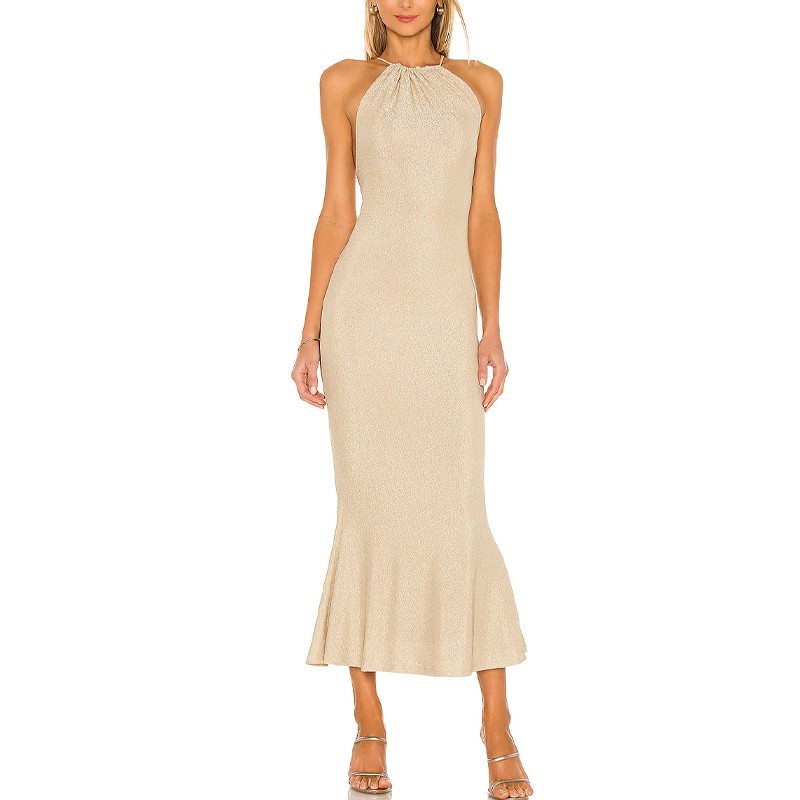
  • Payment Terms and Incoterms for Women's Clothing Orders: What Each One Actually Costs Oct 22, 2026
    Two suppliers quote for the same dress: one at 8.40 FOB and one at 7.90 ex-works. The cheaper one is more expensive, and the difference is not in the garment. It is in the leg of the journey nobody priced, the export declaration nobody mentioned and the risk nobody assigned. Payment terms work the same way. A ninety-day open account looks like a favour until it is priced into the unit cost, and a hundred percent deposit looks like safety until the factory takes a second order and puts yours behind it. Terms are not generosity on one side and suspicion on the other; they are the price of risk, and somebody always pays it. What follows is a translation rather than a lecture: which party pays which leg under each Incoterm, what each payment structure actually costs in cash and risk, how to tie the balance to an inspection report instead of a ship date, and the five sentences in a contract that decide who loses money when something goes wrong. 01  Cost The leg nobody prices A delivered cost is built from six pieces: the garment, the export clearance, the inland move to the port, the main freight, the insurance, and the import side with duty and final delivery. A quotation names a price and a term, and the term decides how many of those six pieces are inside the number. Until you put two quotes on the same term, you are comparing a partial total with a different partial total. Six hundred Dresses For Women at 8.40 FOB and the same six hundred at 7.90 ex-works is not a fifty-cent difference. It is a fifty-cent difference minus export handling, minus the truck to the port, minus the forwarder's documentation fee, and plus the hours somebody in your office will spend arranging a booking the supplier normally arranges. On a small order the ex-works figure frequently ends up the higher one, and the buyer finds out after the container is loaded. The same logic applies to payment. Cash held for sixty extra days has a cost, whether or not anybody invoices it. A supplier financing your inventory is financing it at a rate, and that rate is already inside the unit price by the second order. The cheapest terms are not the longest ones; they are the ones where the risk is placed with the party best able to carry it. The practical rule: fix the term and the payment structure before you compare prices, not after. A quote without a named term is not a quote, it is an opening position. 02  Incoterms Six terms, one question: who pays which leg Read the Incoterms 2020 set as a sliding scale rather than a vocabulary test. The question is always the same: at which point does the cost and the risk leave the seller and arrive at the buyer. EXW puts almost everything on the buyer: collection at the factory door, export clearance, loading, freight, insurance, import. FOB moves the boundary to the ship's rail at the origin port, so the seller handles export clearance and loading and the buyer pays the main freight; risk passes once the goods are on board. CFR is FOB plus the freight paid by the seller, and CIF is CFR plus insurance, which under the rules is only minimum cover, usually the equivalent of Institute Cargo Clauses C. That is not full protection, and buyers who assume otherwise discover it in a claim. DAP carries the goods to the named place and leaves import duty and clearance with the buyer. DDP puts everything including duty on the seller, which sounds ideal and is the term most often quoted by people who cannot legally perform it, because DDP requires a seller able to act as importer of record in your country. One detail worth remembering: under CIF and CFR the risk passes at the origin port, not at destination, even though the seller is paying the freight. If the container is lost at sea, the claim is yours and the insurance may be thinner than you assumed. 03  EXW Why EXW is the term buyers misread most Under EXW the seller's only obligation is to make the goods available at their premises. Not to load them, not to clear them for export, not to provide the export declaration that your forwarder needs to file. In China that matters twice: the export declaration has to be in the seller's name for the seller to claim the export VAT rebate, and a buyer with no local entity cannot file it at all. What happens in practice is that the factory does the work anyway and adds it back as a handling charge, so the term has bought nothing but confusion. This is why FOB remains the working default for apparel from Asia. It sits exactly where the seller has real control and real paperwork, and where the buyer's forwarder takes over. For first orders, FOB with a named origin port is the cleanest thing to put in a purchase order. DDP is the other term to interrogate. Ask who the importer of record will be, whose VAT or sales tax number will be used, and what happens if the shipment is held for a customs question. A supplier quoting DDP without being able to answer those three questions is quoting a price they cannot deliver. If a supplier insists on EXW for a reason rather than by habit, ask what the reason is. Sometimes it is an accurate statement about their export licence. More often it means the price was built to look competitive. 04  Payment Five payment structures and what each one costs Thirty percent deposit and seventy percent before shipment is the industry default for a reason: it covers the fabric and the labour commitment, and it leaves the buyer with leverage until the goods are ready. The balance is the only real security a buyer has, so it should never be paid before there is something to inspect. Thirty, forty, thirty splits the payment across deposit, pre-shipment and arrival. It costs the supplier more in financing and usually shows up in the price, but on a first order with a new factory it is a reasonable way to buy information: you learn how they handle a shipment before you have paid for all of it. A letter of credit at sight replaces trust with documents, which is its strength and its weakness. It is safe when the documents are perfect and expensive when they are not: banks charge for issuance, amendment and negotiation, and a discrepancy turns a payment into a negotiation at the worst possible moment. If you use one, keep the required documents short and standard, and never accept soft clauses that make payment conditional on the buyer's own inspection certificate arriving on time. D/P and D/A are the documentary versions of the middle ground. Under D/P the bank releases the documents when the buyer pays; under D/A it releases them against acceptance, which means the buyer has the goods and a promise to pay later. The difference of one letter is the difference between a transaction and a credit line. Open account is the right answer after two or three clean orders, and the wrong answer on a first one. Moving from thirty-seventy to net thirty is a reward for a track record; offering it in advance is simply unsecured lending. A split shipment of Midi Dresses For Women across two deliveries is the practical middle: pay the balance against the first inspection, and hold the second until the second report. 05  Documents Tie the balance to the inspection, not the ship date The four documents that matter are the commercial invoice, the packing list, the bill of lading and the inspection report. The bill of lading is the one with teeth, because it is a document of title: whoever holds the original can claim the goods, and that is why banks and buyers care about it more than about the invoice. A telex release is faster and cheaper and gives up that leverage: once the seller releases the cargo at origin, the container moves to the buyer's agent without the originals. Original bills are slower and involve courier and bank handling, but they keep the goods under control until the payment condition is met. On a first order with a new supplier, the originals are worth the delay. Write the trigger into the contract in one sentence, with no adjectives. The balance falls due within a stated number of days of a passed final inspection at AQL 2.5, against a copy of the report and a copy of the bill of lading. Not “upon shipment” and not “after quality confirmation”, because both phrases mean whatever the person reading them wants them to mean. Then say what happens if the report fails. Rework with a second inspection at whose cost, a price adjustment, or replacement, and who pays the freight in each case. A remedy clause nobody has read is the same as no clause at all. 06  Small Print Currency, bank charges and the small print Bank charges are small until they are disputed. The three codes on a transfer are OUR, BEN and SHA: sender pays all, receiver pays all, or each side pays their own. A price agreed in dollars with BEN charges means the supplier receives less than the invoice and will ask for the difference, and that conversation is always more expensive than the five dollars it is about. Then the validity of the price. A quotation in a currency that moves needs a validity window and a clause for what happens outside it, otherwise a two percent currency move in a six-week production cycle becomes a renegotiation. State the window in days and the reference rate you both accept. Freight surcharges belong here as well. Peak season surcharges, fuel adjustments and port congestion charges appear between the quote and the sailing, and the question is who absorbs them. On FOB they are yours; on CIF or CFR, where the seller books the freight, the answer has to be written down or the shipment waits while two offices argue. Finally, demurrage and detention at destination: the container is unloaded, the paperwork is not, and the clock starts. The cheapest way to handle this is to agree in the contract who is responsible for clearance delays and who pays the first three days. The most expensive way is to discover it on an invoice from the port. 07  Red Flags Five red flags and a signing checklist A demand for one hundred percent in advance on a first order is a statement about the supplier's cash position, not about yours. A bank account whose name does not match the contracting entity is a fraud risk, and a personal account is the same risk with the paperwork removed. A letter of credit with a soft clause makes the bank a spectator. A DDP quote with no importer of record is undeliverable. And a supplier who will not name the port in the term is telling you they have not thought about it. None of these are reasons to walk away from a market. They are reasons to write four lines into the order before anybody cuts fabric. Term and place. A named Incoterm with a named port or place, and the version, written on the purchase order. Price validity. A window in days, the currency, and the reference rate for anything outside it. Payment split. Deposit, balance and any third instalment, with the exact percentage and the exact trigger for each. Inspection standard. AQL level, inspection point, who inspects, and the cost of a re-inspection. Bill of lading. Telex release or originals, decided in advance rather than at the booking desk. Bank charges. OUR, BEN or SHA, stated once so nobody sends an amended invoice at the end. Remedy. What happens when the report fails, who pays the rework and the freight, and the deadline for deciding. Account identity. The bank account name matches the contracting entity, and the account is verified once, in writing. Eight lines and one verified account. That is the whole difference between a term sheet and a dispute. Final thoughts Price, term and payment are one number, and the buyers who get the best landed cost are the ones who insist on seeing all three before they say yes to anything. A term that hides cost is not a discount, and a payment condition that hides risk is not a courtesy. Put the term on the purchase order with the port, tie the balance to an inspection report, and decide who pays the port before you need to know. The rest is arithmetic. If you are pricing a first order and want to see how a range is built against a target landed cost, start with our Maxi Dresses For Women and work backwards through fabric, construction and freight. VIEW WOMEN'S DRESS COLLECTION
1 2 3 4 5

A total of5pages

leave a message

leave a message
If you are interested in our products and want to know more details,please leave a message here,we will reply you as soon as we can.
Submit

home

products

contact